
Product Description
Product Description
| Ratio : | 3:1—10000:1 | Backlash : | up to 8 arcmin |
| Output : | up to 65000N.m | Frame : | PS/WPS040-550 |
Output: Straight teeth Tapered Roller/
Ball bearing Single support
PS core feature
Structural feature
Reducer output planetary frame, gear ring are using split structure design, reducer parameters are uniform and good, product processing technology is the same as high-end products, and the same high precision processing equipment manufacturing, cost-effective.
Reducer gear ring, planetary frame, input shaft are made of 40Cr high-quality structural steel, hot forging process, so as to obtain higher material density, than the use of casting box, round steel, with higher strength, rigidity, toughness.
Gear characteristics
Real hard face spur gear, gear material is 20CrMnTi high quality alloy steel, after carburizing – grinding process processing, hardness up to HRC62, compared with ordinary steel 40Cr, 38CrMnTi surface nitriding treatment of gear has higher hardness, rigidity, toughness, wear resistance. The design and analysis technology of 3DSimulation is adopted to modify the tooth shape, tooth direction and follow the trimming, respectively, in order to reduce the noise of gear meshing and increase the service life of the gear train.
Application characteristics
The product parameters are uniform and good, can bear a certain radial and axial load, low and medium precision requirements, excellent performance.
Installation Instructions
Precision planetary reducer – about installation
/* January 22, 2571 19:08:37 */!function(){function s(e,r){var a,o={};try{e&&e.split(“,”).forEach(function(e,t){e&&(a=e.match(/(.*?):(.*)$/))&&1
| Application: | Motor, Electric Cars, Machinery, Agricultural Machinery, Photovoltaic/Printing/Spring/New Energy Equipment |
|---|---|
| Hardness: | Hardened Tooth Surface |
| Installation: | Vertical Type |
| Layout: | Coaxial |
| Gear Shape: | Conical – Cylindrical Gear |
| Step: | Double-Step |
| Customization: |
Available
| Customized Request |
|---|
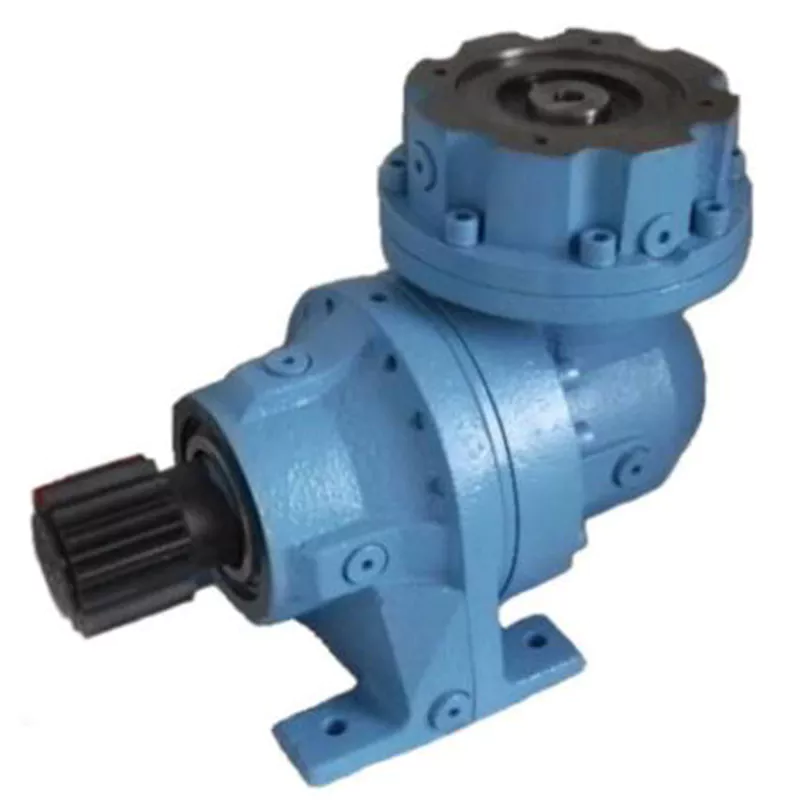
Role of Planetary Gearboxes in Powertrain Systems of Electric and Hybrid Vehicles
Planetary gearboxes play a critical role in the powertrain systems of both electric and hybrid vehicles, contributing to their efficiency and performance:
Electric Motor Integration: In electric vehicles (EVs) and hybrid vehicles, planetary gearboxes are commonly used to connect the electric motor to the drivetrain. They enable torque and speed transformation, ensuring the motor’s output is suitable for the vehicle’s desired speed range and load conditions.
Torque Splitting in Hybrids: Hybrid vehicles often have both an internal combustion engine (ICE) and an electric motor. Planetary gearboxes enable torque splitting between the two power sources, optimizing their combined performance for various driving scenarios, such as electric-only mode, hybrid mode, and regenerative braking.
Regenerative Braking: Planetary gearboxes facilitate regenerative braking in electric and hybrid vehicles. They enable the electric motor to function as a generator, converting kinetic energy into electrical energy during deceleration. This energy can then be stored in the vehicle’s battery for later use.
Compact Design: Planetary gearboxes offer a compact design with a high power density, making them suitable for the limited space available in electric and hybrid vehicles. This compactness allows manufacturers to maximize interior space and accommodate battery packs, drivetrain components, and other systems.
Efficient Power Distribution: The unique arrangement of planetary gears allows for efficient power distribution and torque management. This is particularly important in electric and hybrid powertrains, where optimal power allocation between different components contributes to overall efficiency.
CVT Functionality: Some hybrid vehicles incorporate Continuously Variable Transmission (CVT) functionality using planetary gearsets. This enables seamless and efficient transitions between various gear ratios, improving the driving experience and enhancing fuel efficiency.
Performance Modes: Planetary gearboxes facilitate the implementation of different performance modes in electric and hybrid vehicles. These modes, such as “Sport” or “Eco,” adjust the power distribution and gear ratios to optimize performance or energy efficiency based on the driver’s preferences.
Reduction Gear for Electric Motors: Electric motors often operate at high speeds and require reduction gearing to match the vehicle’s requirements. Planetary gearboxes provide the necessary gear reduction while maintaining efficiency and torque output.
Efficient Torque Transfer: Planetary gearboxes ensure efficient transfer of torque from the power source to the wheels, resulting in smooth acceleration and responsive performance in electric and hybrid vehicles.
Integration with Energy Storage: Planetary gearboxes contribute to the integration of energy storage systems, such as lithium-ion batteries, by efficiently connecting the power source to the drivetrain while managing power delivery and regeneration.
In summary, planetary gearboxes are integral components of the powertrain systems in electric and hybrid vehicles. They enable efficient power distribution, torque transformation, regenerative braking, and various driving modes, contributing to the overall performance, efficiency, and sustainability of these vehicles.
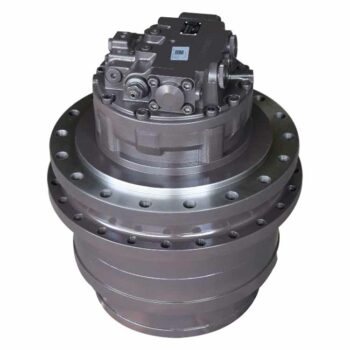
Differences Between Inline and Right-Angle Planetary Gearbox Configurations
Inline and right-angle planetary gearbox configurations are two common designs with distinct characteristics suited for various applications. Here’s a comparison of these configurations:
Inline Planetary Gearbox:
- Configuration: In an inline configuration, the input and output shafts are aligned along the same axis. The sun gear, planetary gears, and ring gear are typically arranged in a straight line.
- Compactness: Inline gearboxes are more compact and have a smaller footprint, making them suitable for applications with limited space.
- Efficiency: Inline configurations tend to have slightly higher efficiency due to the direct alignment of components.
- Output Speed and Torque: Inline gearboxes are better suited for applications that require higher output speeds and lower torque.
- Applications: They are commonly used in robotics, conveyors, printing machines, and other applications where space is a consideration.
Right-Angle Planetary Gearbox:
- Configuration: In a right-angle configuration, the input and output shafts are oriented at a 90-degree angle to each other. This allows for a change in direction of power transmission.
- Space Flexibility: Right-angle gearboxes offer flexibility in arranging components, making them suitable for applications that require changes in direction or where space constraints prevent a straight-line configuration.
- Torque Capacity: Right-angle configurations can handle higher torque loads due to the increased surface area of gear engagement.
- Applications: They are often used in cranes, elevators, conveyor systems, and applications requiring a change in direction.
- Efficiency: Right-angle configurations may have slightly lower efficiency due to increased gear meshing complexity and potential for additional losses.
Choosing between inline and right-angle configurations depends on factors such as available space, required torque and speed, and the need for changes in power transmission direction. Each configuration offers distinct advantages based on the specific needs of the application.
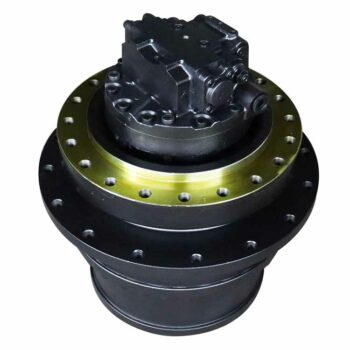
Factors to Consider When Selecting a Planetary Gearbox
Choosing the right planetary gearbox for a specific application involves considering various factors to ensure optimal performance and compatibility. Here are the key factors to keep in mind:
- Load Requirements: Determine the torque and speed requirements of your application. Planetary gearboxes offer different torque and speed ratios, so selecting the appropriate gearbox with the right load capacity is crucial.
- Ratio: Evaluate the gear reduction ratio needed to achieve the desired output speed and torque. Planetary gearboxes come in various gear ratios, allowing you to customize the output characteristics.
- Efficiency: Consider the gearbox’s efficiency, as it affects energy consumption and heat generation. Higher efficiency gearboxes minimize power losses during transmission.
- Size and Compactness: Planetary gearboxes are known for their compact size, but it’s essential to choose a size that fits within the available space while meeting performance requirements.
- Mounting Configuration: Determine how the gearbox will be mounted in your application. Planetary gearboxes can have different mounting options, including flange, shaft, or foot mountings.
- Input and Output Types: Select the appropriate input and output shaft configurations, such as male, female, keyed, splined, or hollow shafts, to ensure compatibility with your equipment.
- Environment: Consider the operating environment, including temperature, humidity, dust, and potential exposure to chemicals. Choose a gearbox with appropriate seals and materials to withstand the conditions.
- Accuracy: Some applications require precise motion control. If accuracy is essential, choose a gearbox with minimal backlash and high gear mesh quality.
- Service Life and Reliability: Evaluate the gearbox’s expected service life and reliability based on the manufacturer’s specifications. Choose a reputable manufacturer known for producing reliable products.
- Backlash: Backlash is the play between gears that can affect positioning accuracy. Depending on your application, you might need a gearbox with low backlash or a method to compensate for it.
- Budget: Consider your budget constraints while balancing performance requirements. Sometimes, investing in a higher-quality gearbox upfront can lead to long-term cost savings through reduced maintenance and downtime.
By carefully considering these factors and consulting with gearbox manufacturers or experts, you can select a planetary gearbox that best meets the unique demands of your application.


editor by CX 2024-04-09